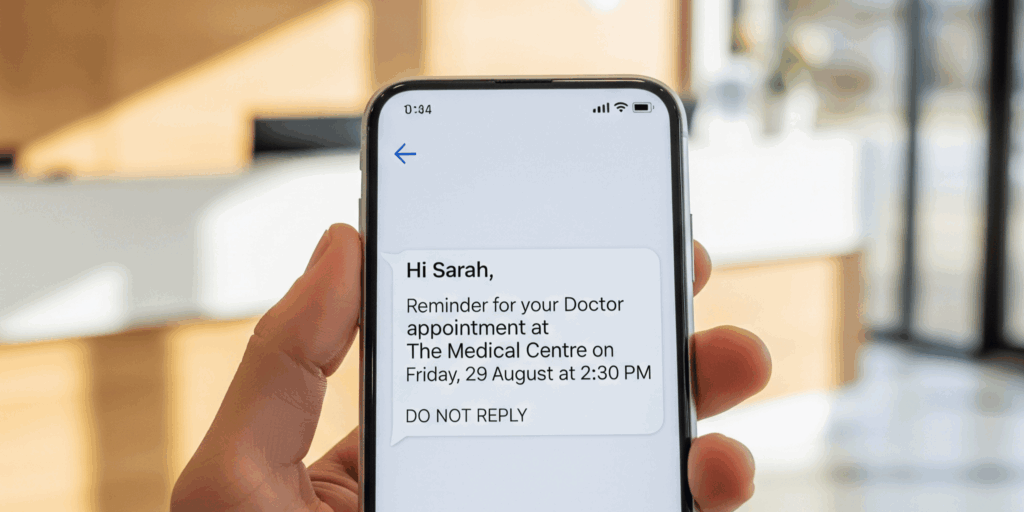
A patient has attended the same practice for years. At her latest appointment, her GP asks her to return in three weeks, but she leaves without booking. When she remembers, the available times don’t suit her, so she makes an appointment elsewhere.
She hasn’t necessarily decided to leave the practice. Even so, part of her ongoing care has moved outside it.
This scenario opened ManageMyHealth’s webinar, How to improve patient loyalty and retention, presented by James Rodi. It raises a useful question for Australian general practices: where do patients struggle to continue their care with us?
The session explored how clearer booking processes, dependable follow-up and better communication can help patients maintain their relationship with their regular practice.
Watch the full webinar: How to improve patient loyalty and retention.
Why continuity belongs at the centre of patient retention
A familiar clinician brings knowledge that builds over time. They may remember which medicine caused a problem, understand a patient’s circumstances or know why a particular care plan has been difficult to follow.
The webinar described three connected aspects of continuity: an ongoing relationship with a clinician or team, access to relevant patient history, and treatment and follow-up that fit together over time.
Everyday practice processes help patients maintain that continuity. A recommendation to return in three weeks depends on the patient understanding what’s needed and being able to arrange the appointment.
For practice managers, GPs and reception teams, that creates several practical opportunities.
1. Test booking from the patient’s perspective
A booking system can feel straightforward to the team using it every day, while leaving patients uncertain about which appointment to select or what to do when suitable times aren’t available.
James suggested asking someone unfamiliar with the process to try arranging three appointments:
- A routine GP visit.
- A review requested by a clinician.
- A longer consultation for a complex issue.
Can they identify the right appointment type? Can they find a suitable time? If they can’t, is the next step clear, including how to reach someone for help?
Appointment descriptions should use language patients understand, with clear guidance about bookings that require a conversation with the practice.
Forward booking is another opportunity. When a GP recommends a review, reception can offer to check available times before the patient leaves. This gives the patient a chance to arrange their next visit while the recommendation is still fresh.
Telephone and in-person assistance should remain available for patients who need them.
2. Give every follow-up a clear owner
A reminder about an appointment already booked serves a different purpose from a clinical recall for recommended or necessary care.
The webinar highlighted how easily follow-up responsibility can become unclear. A patient may expect the practice to call, while the practice assumes the patient will book.
Choose one routine pathway, such as a review after a medication change, and trace it through to completion. Establish who records the recommendation, who explains the next step to the patient, who checks whether the appointment has been made and what happens if the patient doesn’t respond.
As a starting exercise, James suggested reviewing 20 consecutive non-urgent follow-up recommendations. Check whether each was recorded, communicated and completed. This small audit can help reveal gaps worth investigating.
Messages also need to suit the clinical situation. Urgent or abnormal results require appropriate follow-up and escalation arrangements, and automated communication must sit within clear clinical responsibility.
3. Let reception show you where communication needs work
Reception teams hear the questions patients ask repeatedly. Those conversations can reveal where instructions are difficult to find or understand.
Patients may call to ask how to request a repeat prescription, whether results are available, whether they need another appointment or what a service costs.
Ask reception to record the five most common avoidable enquiries over a week. Then choose one recurring question and improve the information patients receive, whether that means updating a website page, booking message or patient handout.
Where secure messaging is available, patients need clear expectations about response times and what to do when care is urgent. Staff also need to know where messages go and who’s responsible for responding.
The aim is to make each next step understandable and dependable.
How digital services can support the journey
The webinar encouraged practices assessing a patient portal to ask suppliers to demonstrate the complete patient and staff journey.
What happens when someone books a review, requests a routine service or receives information? What does the practice team need to do at each stage?
ManageMyHealth Australia provides a practice connected patient portal that, depending on configuration and integrations, can support appointments, repeat prescription requests, communications and access to selected health information.
Its usefulness depends on how those services fit into the practice’s everyday processes, including responsibility for requests and support for patients who need assistance.
Choose one improvement and review it in four weeks
Start with one of the webinar’s exercises: test three booking scenarios, review 20 routine follow-up recommendations or ask reception to identify recurring avoidable enquiries.
Choose one improvement and a measure to revisit in four weeks. That might be the proportion of recommended reviews booked before patients leave, or the number of repeat calls about a routine request.
Patients build relationships with their practice over time. Making the next appointment, follow-up and conversation easier helps those relationships continue.
Watch the full webinar for practical ways to improve patient loyalty and retention at your practice.